Families Deserve a Meaningful Voice
I believe families are essential partners in public education.
Parents and caregivers know their children in ways no school system ever can. They see their strengths, their challenges, their interests, and the ways school affects them outside the classroom. That perspective matters, and I believe it should be treated with respect.
Strong family partnership does not mean that everyone will always agree. Schools, educators, administrators, families, and Trustees may sometimes approach an issue from different perspectives. What matters is that people have meaningful opportunities to be heard, that concerns are taken seriously, and that decisions are explained clearly and respectfully.
I want families across SD42 to know that their voices matter and that there is a place for them in the conversation.
Listening Before Deciding
One of the most important things I can bring to the Board table is a willingness to listen.
Throughout my career in public education, I have learned that complex issues rarely have only one perspective. Good decisions require asking questions, understanding the circumstances behind an issue, considering the available information, and listening carefully to the people who will be affected.
I will bring that same approach to my role as Trustee.
When families raise concerns, I do not believe the first response should be to dismiss them, label them, or assume we already know what they are trying to say. I believe we should listen, ask questions, and try to understand the issue before reaching conclusions.
That does not mean every request can be accommodated or that every person will agree with every Board decision. Responsible governance sometimes requires difficult choices. But even when there is disagreement, families deserve to be treated respectfully and to understand how and why decisions are being made.
Independent Representation
I am running as an independent candidate. I have no political party affiliation, and I am not running to advance a political organization or outside agenda.
If elected, my responsibility will be to the people of Maple Ridge and to the students and families who rely on our public school system.
I want to approach every issue on its own merits. I will ask what the evidence tells us, what students need, what families and educators are experiencing, what resources are available, and what decision best serves the long-term interests of our school community.
My commitment is to listen to the community I represent and bring those perspectives with me to the Board table.
There will be issues where people strongly disagree. In those situations, I believe independence matters. I want families to know that I will approach difficult questions with an open mind rather than beginning with a predetermined political position.
Clear and Transparent Communication
Families should not have to struggle to understand what is happening within their school district.
Public education is supported by the community, and important Board decisions should be communicated as clearly as possible. Parents and caregivers should be able to understand the issues being considered, the reasoning behind significant decisions, and how those decisions may affect students and schools.
I support transparent discussions and open communication.
Transparency does not mean that every conversation can happen publicly. Trustees have legal and privacy obligations, and some matters involving students, employees, negotiations, or other confidential information must appropriately remain private. But whenever information can be shared, I believe the District should make it accessible, understandable, and easy for families to find.
Good communication also needs to work both ways. It is not enough for a school district simply to provide information. There should also be meaningful ways for families and community members to provide feedback, ask questions, and raise concerns.
An Accessible Trustee
If I am elected, I want people to feel comfortable reaching out to me.
I will make myself accessible and welcome contact from parents, caregivers, students, staff, and members of our community. Whether someone has a question, a concern, an idea, or simply a perspective they believe the Board should hear, I want them to know they can contact me.
Being accessible does not mean that a Trustee can personally resolve every individual matter. Schools and districts have established processes, responsibilities, and appropriate channels for addressing many concerns. But I can listen, help people understand those processes, ask questions where appropriate, and ensure broader concerns and community perspectives are not lost.
I believe accessibility is an important part of accountability. Trustees are elected to represent their communities, and that relationship should continue after election day.
I do not want families to hear from me only when I am asking for their support. I want communication and engagement to continue throughout the entire term.
Respecting Families While Supporting Educators
Strong family partnership should also strengthen the work happening in our schools.
Educators and school staff bring professional knowledge and experience to their work every day. Families bring a different but equally important understanding of their children. I believe the strongest outcomes are possible when those perspectives are treated as complementary rather than competing.
Healthy school communities are built through respectful relationships between families and educators.
When communication breaks down, relatively small issues can become much larger ones. When communication is clear, respectful, and timely, there is a much better opportunity to solve problems before they escalate.
As Trustee, I want to support a culture where educators feel respected in their professional roles and families feel respected as partners in their children’s education.
Those goals can and should coexist.
Making Engagement Meaningful
Community engagement should be more than simply providing an opportunity to speak after the direction of a decision has effectively already been determined.
When the Board is considering significant decisions that affect schools, programs, facilities, resources, or the student experience, I believe families should have meaningful opportunities to understand what is being considered and provide input early enough for that input to matter.
The Board will ultimately have a responsibility to make decisions. Consultation does not mean every decision will reflect every viewpoint.
But people are much more likely to have confidence in public institutions when they know the process was fair, different perspectives were genuinely considered, and the reasoning behind the final decision was clearly communicated.
That is the kind of relationship I want to help strengthen between SD42 and the families it serves.
Working Together for Students
Ultimately, family partnership is about students.
When parents and caregivers understand what is happening at school, when educators have productive relationships with families, and when families feel comfortable raising questions or concerns, students benefit from a stronger network of support around them.
I want families to feel that they are part of their school community and that their involvement is valued.
I also recognize that engagement can look different for every family. Work schedules, language, transportation, family responsibilities, and many other factors can affect someone’s ability to attend meetings or participate in traditional forms of consultation.
We should continue looking for practical ways to make information and opportunities for engagement accessible to as many families as possible.
A parent’s ability to attend a meeting should not determine whether their perspective matters.
My Focus as Trustee
As a School Trustee, I will work to strengthen the relationship between families, schools, the District, and the Board.
I will listen openly to parents and caregivers, welcome respectful discussion, and make myself accessible to the community I represent.
I will support clear and transparent communication so families can better understand the decisions being made within their school district.
I will approach issues independently, without political party affiliation, and evaluate decisions based on what I believe will best serve students and the broader SD42 community.
And when families bring concerns forward, I will listen.
I may not always be able to provide the answer someone hopes for, and there will inevitably be issues where reasonable people disagree. But I can promise to approach those conversations respectfully, ask questions, seek to understand, and make sure the perspectives of families are not forgotten when decisions reach the Board table.
Families should not simply be informed about public education. They should have a meaningful voice in it. I want to be an accessible, independent representative who listens to that voice and brings it with me to the Board table.
What Partnership Looks Like
A stronger relationship between schools and families helps build trust, improve communication, and keep student needs at the center of decision-making.
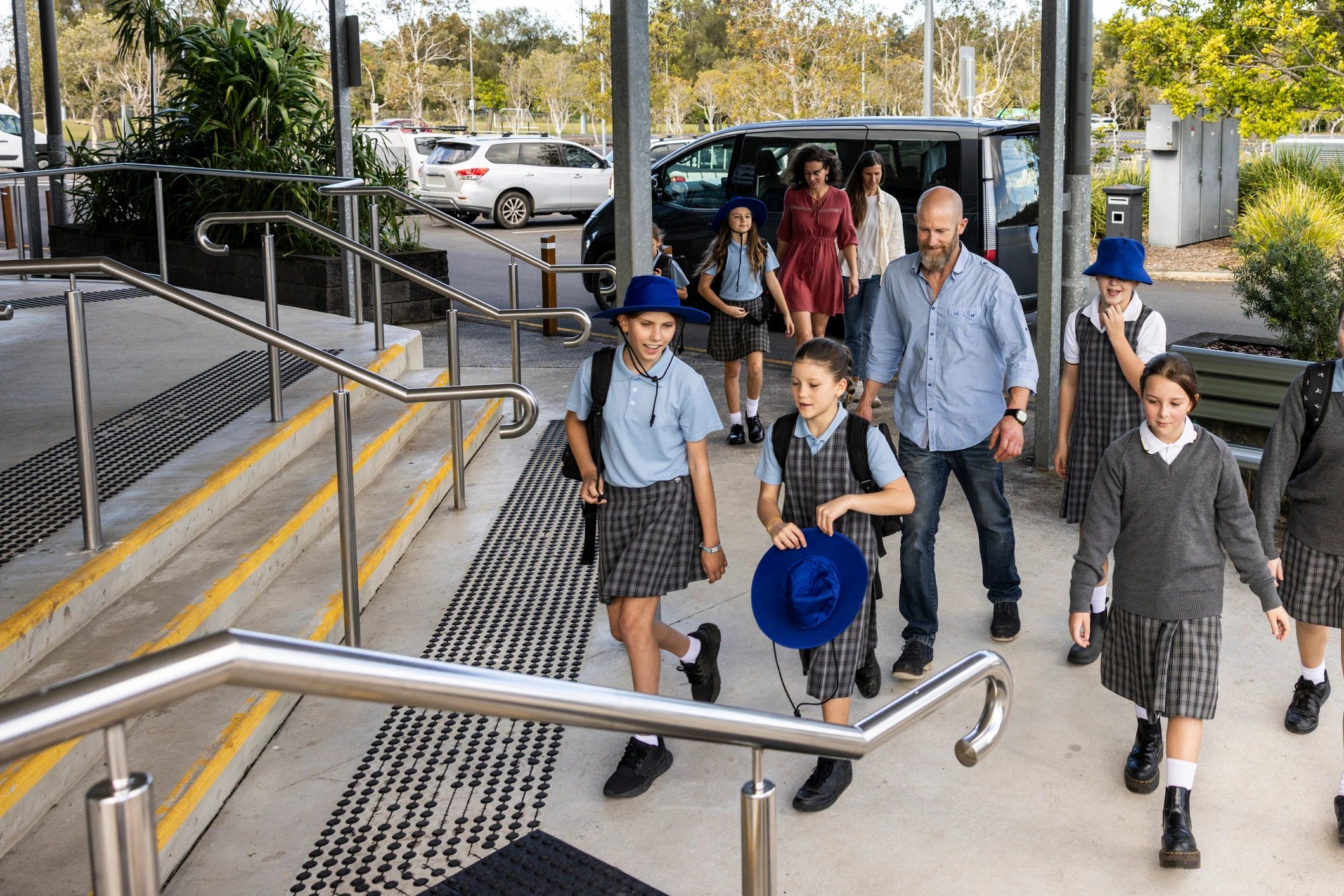
Clear Communication
Families deserve timely, understandable updates about school decisions, classroom expectations, and district priorities.
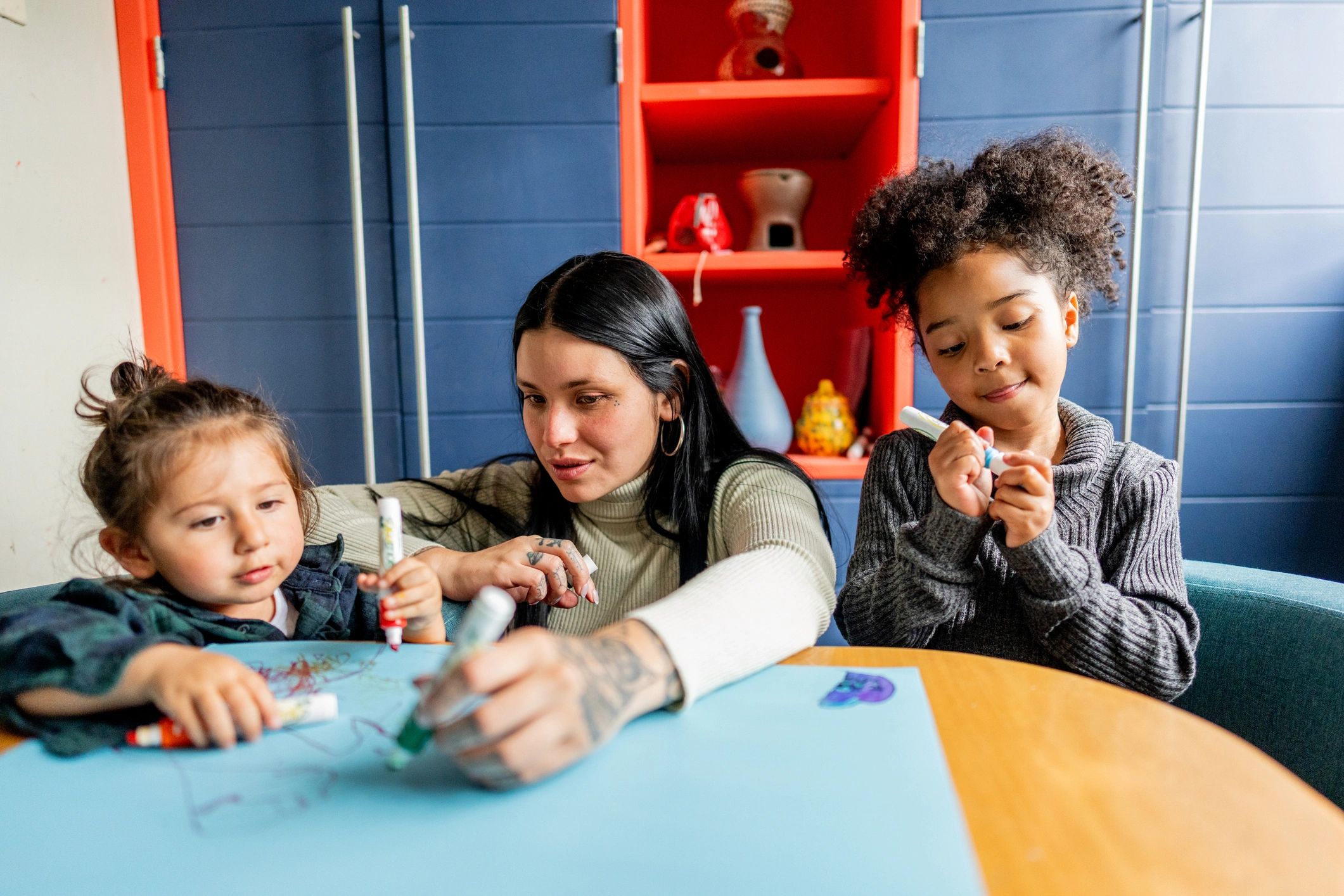
Welcoming Engagement
Parents and caregivers should have meaningful ways to share feedback, ask questions, and participate in school communities.

Student-Centered Support
When educators and families work together, students benefit from more consistent support, stronger advocacy, and better outcomes.